


Veneers in San Antonio, TX: A Patient-Friendly Guide to a More Confident Smile
A bright, balanced smile can make a meaningful difference in how a person feels in photos, conversations, and everyday life. When whitening or minor dental repairs cannot create the desired result, veneers may offer another option.
Dental veneers are thin, customized restorations placed over the visible surfaces of teeth. They can change the appearance of tooth color, shape, size, spacing, and symmetry. However, veneers are not right for every smile, and successful treatment begins with healthy teeth, realistic expectations, and a personalized plan.
This guide explains what patients should know when considering veneers in San Antonio, TX, including candidacy, treatment steps, costs, care, risks, and alternatives.
This article provides general educational information and is not a diagnosis or treatment recommendation. A dentist must examine the teeth, gums, bite, and dental history to determine whether veneers are appropriate.
What Are Dental Veneers?

A veneer is a thin shell bonded to the front of a tooth. Each veneer is designed to blend with the surrounding smile while creating a specific cosmetic change. Depending on the treatment plan, a dentist may recommend one veneer for a damaged tooth or several veneers to produce a more uniform appearance.
Veneers are commonly discussed when patients are concerned about:
Discoloration that does not respond as expected to whitening
Small chips or worn-looking edges
Uneven tooth shapes or sizes
Minor gaps between teeth
Teeth that appear slightly crooked or asymmetrical
Older cosmetic dental work that no longer matches the smile
Veneers primarily improve appearance. They do not treat active decay, gum disease, infection, or major bite problems. Those concerns generally need attention before cosmetic treatment begins.
Porcelain and Composite Veneers
Porcelain veneers
Porcelain veneers are custom restorations typically created outside the mouth and bonded to prepared teeth. Porcelain can reflect light in a way that resembles natural enamel, allowing a dental team to create subtle color and shape changes.
Placing porcelain veneers often requires removing some enamel, although the amount depends on the tooth position, veneer design, and desired result. Because enamel does not grow back, patients should understand that this can make treatment irreversible and may create a future need for replacement restorations.
Composite veneers
Composite veneers use tooth-colored resin that a dentist shapes directly on the teeth or fabricates through another technique. They may require less tooth alteration in selected cases and can sometimes be repaired more easily. However, composite can stain, wear, or lose its polish differently from porcelain.
Neither material is automatically better for every patient. The appropriate choice depends on oral health, cosmetic goals, bite forces, budget, and willingness to maintain the restorations.
Who May Be a Candidate for Veneers?
A good candidate generally has healthy teeth and gums, enough sound enamel to support bonding, and cosmetic concerns that veneers can realistically address. A dentist also evaluates how the upper and lower teeth meet because strong or poorly distributed bite forces can place stress on veneers.
Additional evaluation may be needed for patients who:
Clench or grind their teeth
Have untreated cavities or gum inflammation
Have significant enamel loss or large existing fillings
Experience frequent tooth sensitivity
Have severely crowded teeth or a substantial bite concern
Want a result that would require an unhealthy amount of tooth reduction
A history of grinding does not necessarily rule out veneers, but it may affect the design, material selection, or recommendation for a protective nightguard. In some cases, orthodontics, whitening, bonding, crowns, or a combination of treatments may be more conservative or predictable.
What Happens During the Veneer Process?
1. Consultation and smile evaluation
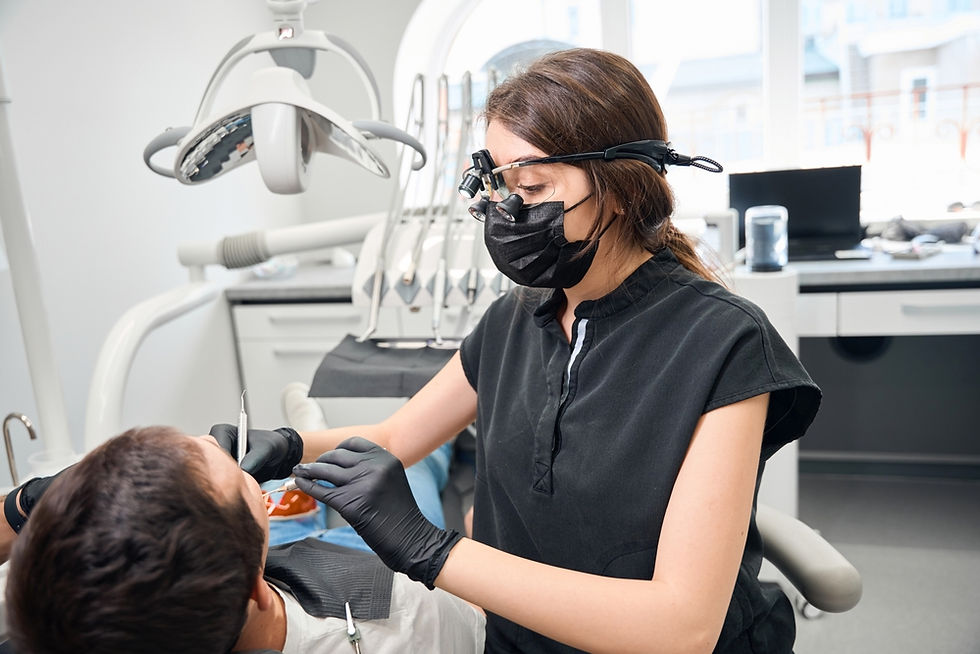
The first visit is a planning appointment. The dentist examines the teeth and gums, discusses what the patient likes and dislikes about the smile, and reviews relevant dental history. Diagnostic photographs, scans, X-rays, or impressions may be recommended depending on the case.
Patients should describe the result they want in practical terms. Words such as “natural,” “brighter,” “more even,” or “less prominent” can help the dental team understand the goal. Bringing example photos can be helpful, but the final design still needs to suit the patient’s face, lips, bite, and existing teeth.
2. Preview and treatment planning
A digital or physical preview may help a patient understand possible proportions before treatment begins. The Smile Institute offers a smile evaluation that includes discussion of candidacy and treatment options, as well as Digital Smile Design for qualifying cosmetic cases.
A preview is a communication tool rather than a guarantee of an identical outcome. Tooth structure, gum position, material behavior, and bite requirements can all influence the final result.
3. Tooth preparation and temporary veneers
If tooth preparation is necessary, the dentist removes a carefully planned amount of surface structure. Comfort options, including local anesthetic when appropriate, should be discussed before treatment. Records are then sent for fabrication of the veneers. Temporary restorations may be placed while the final veneers are being made.
4. Placement
Before bonding, the dentist checks each veneer’s fit, shape, and color. Patients should use this opportunity to ask questions and review the appearance. The teeth are then prepared for bonding, the veneers are secured, and the bite is evaluated. Follow-up may be recommended to assess comfort, gum response, and bite after the patient has used the new restorations normally.
Do Veneers Look Natural?
Natural-looking veneers are not necessarily the whitest or most perfectly identical restorations. Real teeth have variations in translucency, surface texture, shape, and color. Thoughtful treatment aims to complement facial features and neighboring teeth rather than create a one-size-fits-all smile.
The number of treated teeth also matters. If only a few teeth receive veneers, their shade and shape must blend with untreated teeth. Whitening may sometimes be considered before shade selection because veneers do not respond to whitening products in the same way natural enamel does.
Cost of Veneers in San Antonio
The cost of veneers in San Antonio varies considerably. Important factors include the material, number of teeth, complexity of preparation, diagnostic records, laboratory work, temporary restorations, and whether other oral health treatment is needed first.
Patients should request a written treatment plan that explains:
How many teeth are included
Which veneer material is proposed
Whether temporary restorations are included
Which examinations or records are required
Whether follow-up adjustments are included
What may happen if a veneer needs repair or replacement later
Dental benefit coverage varies by plan and reason for treatment. Patients should confirm benefits directly with their carrier and ask the dental office about available payment arrangements. Price is important, but it should be considered alongside diagnosis, planning, materials, and long-term maintenance.
Possible Risks and Long-Term Care
Veneers are restorations and are not permanent in the sense of lasting forever. They can chip, crack, wear, stain at the margins, or become loose. Some patients may notice sensitivity, particularly when tooth preparation is involved. Gum irritation, bite discomfort, color mismatch, and the eventual need for repair or replacement are also possible.
Patients can help protect veneers by:
Brushing gently with a soft-bristled toothbrush
Cleaning between the teeth every day
Keeping regular dental examinations and professional cleanings
Avoiding chewing ice, pens, fingernails, or other hard objects
Not using the teeth to open packages
Wearing a recommended nightguard if clenching or grinding is a concern
Seeking care promptly if a veneer feels loose or the bite feels different
Good hygiene remains essential because the tooth underneath and the gum around a veneer can still develop problems. Persistent pain, swelling, a loose restoration, or a sudden change in the bite should be evaluated by a dentist.
Alternatives to Veneers
Veneers are only one cosmetic option. Professional whitening may be suitable when color is the main concern. Dental bonding can address selected chips, gaps, and shape differences. Orthodontic treatment moves teeth rather than covering them, while crowns may be considered when teeth need more extensive structural restoration.
Occasionally, the most conservative recommendation is no treatment. A careful cosmetic consultation should compare alternatives and explain how much healthy tooth structure each option may require.
Frequently Asked Questions About Veneers
Does getting veneers hurt?
Patient experiences vary. When preparation is needed, a dentist can discuss local anesthetic and other comfort measures. Temporary sensitivity or gum tenderness may occur, but ongoing or worsening discomfort should be reported.
Can veneers fix crooked teeth?
Veneers may visually improve mild unevenness in selected cases, but they do not move teeth or correct every bite problem. Orthodontic treatment may be more appropriate when alignment or function is the main concern.
Can veneers develop cavities?
The veneer material cannot decay, but the natural tooth around or beneath it remains vulnerable to decay. Daily cleaning and regular dental visits are still necessary.
Can veneers be whitened later?
Whitening products do not lighten porcelain or composite in the same way they lighten natural teeth. Patients interested in whitening should discuss timing before the final veneer shade is selected.
How many veneers does a patient need?
There is no standard number. Treatment may involve one tooth or multiple visible teeth. The decision depends on the smile line, cosmetic concern, existing dental work, and how treated teeth will blend with untreated teeth.
How long do veneers last?
Longevity varies with the material, bite, oral hygiene, diet, habits, and maintenance. No veneer should be considered a lifetime restoration. A dentist can explain the expected maintenance needs for a specific treatment plan.
Are veneers removable?
If enamel is removed, treatment is generally considered irreversible because the prepared teeth will continue to need protection. Patients should ask exactly how much preparation is proposed before giving consent.
Explore Veneers in San Antonio, TX
Choosing veneers should never feel rushed. A thorough consultation gives the patient time to understand the design, benefits, limitations, alternatives, cost, and maintenance involved.
The Smile Institute provides personalized cosmetic dental evaluations for patients considering veneers in San Antonio, TX. The practice is located at 9200 Broadway St., Suite 129, San Antonio, TX 78217-6081. Patients can contact the office or call (726) 216-6852 to schedule a consultation and ask which options may suit their smile.


Comments